People who spend time on the water or the road think a lot about weather and wear, corrosion and maintenance. Fewer think about the mouse that can slip under a slide-out seal, the rat that climbs a dock line, or the squirrel that finds its way into an engine compartment and builds a nest. Rodent control for RVs and boats is its own discipline, part building science, part habitat management, and part fieldcraft. When done well, the work is mostly invisible, and that is the point. Nothing ruins a season faster than chewed wiring, contaminated food storage, and a pervasive urine odor that feels impossible to chase out.
I have crawled through cargo holds on older cruisers where a single Norway rat caused five thousand dollars in electrical and upholstery damage over a weekend. I have traced a run of mouse droppings to a hairline gap at the base of an RV’s propane compartment door, a slot no wider than a pencil. The animals are small, the openings smaller, and the stakes surprisingly high. What follows is a practical playbook built from that kind of work.
How and why rodents target RVs and boats
RVs and boats offer the three things rats and mice seek, often in close proximity: food, water, and shelter. On the road, campground spillage around picnic areas and pet kibble attract mice at night. In marinas, garbage bins and fish cleaning stations provide reliable calories. Both environments feature steady human activity during the day and relative quiet for long stretches at night, perfect for a cautious animal that relies on darkness to forage. The vehicles themselves help seal the deal. Insulation, foam voids, and wiring chases create warm paths. Battery compartments offer a heat source on cold nights. Stored textiles, from extra blankets to life jackets, are ideal nesting fiber.
Boats introduce a unique twist. Rodents do not swim across harbors for fun, but they will climb. They use dock lines, fenders, and even adjacent moorings as a bridge. A marina with unsecured trash may as well be a cafeteria with four convenient ropes leading into your saloon. RVs see another route: vertical climbs up jacks or tires, then a squeeze through a weep hole or an unsealed utility conduit. I have measured skull widths on adult mice averaging 14 to 15 millimeters, which explains how a slot the width of your little finger can suddenly become a highway.
The true cost of ignoring the early signs
Owners often notice droppings under a sink and shrug. One mouse, they say. It is rarely one, and even a single intruder escalates quickly. Urine proteins soak into porous surfaces, drawing others through scent. Mice can breed at six to eight weeks old, with litters averaging five to eight pups. A month later, you are not dealing with a stray.
Electrical damage is the most common and costly problem I see. Wire jackets are soft enough to shred, and the taste of plasticized compounds seems to appeal to some individuals. Beyond direct shorts and blown fuses, gnawed conductors inside looms can create intermittent faults that take hours to diagnose. I have seen a rat nest inside the air intake of a generator leading to overheating and shutdown under load. Upholstery and bedding contamination are next in line. On boats, add the risk of water intrusion after damaged seals, and on RVs, the safety issue of chewed propane detector wiring or furnace control lines. Every early sign deserves a methodical response.
Hardening the hull and coach: exclusion first
The best rodent control on RVs and boats starts with exclusion. You cannot bait or trap your way out of open doors.
On RVs, begin under the chassis with a light and a mirror. Look for daylight where it should not be: behind the rear axle near plumbing drops, around the propane lines, and at electrical penetrations into the floor. Factory foam often shrinks or falls out. I favor a two-layer approach, a plug of copper mesh or stainless steel wool in the hole, then a skin of polyurethane or high-quality silane-modified polymer sealant. The mesh resists gnawing and provides a backing so the sealant does not slump. Avoid ordinary expanding foam as the only barrier, it tears like bread.
Slide-out rooms create long perimeter gaps. Rubber wiper seals dry and curl after a few seasons, leaving corners vulnerable. Lubricants can help restore flexibility, but once the cross section is flattened, replacement is better. Check the ends of the slide boxes, not just the sides. I have filmed mice entering through a curled corner in less than ten seconds.
For boats, the lines are your first suspect. Rodent guards on dock lines reduce traffic dramatically. Simple disks or cones fitted around the line near the boat force a climber to face an overhang. Choose guards that can handle wind and do not slip under tension. Then look at through-hulls and vent openings. Most cowl vents have screens, but older boats often lost them during refits. Engine vents on sport fishers are especially problematic because the opening is large, the airflow constant, and the nesting pocket nearby is warm. Fit stainless mesh with a fine aperture, around 6 millimeters, so you do not choke the airflow, then back it with a coarser guard that resists impact. In lazarettes and anchor lockers, seal cable passes with grommets that actually fit the wire diameter, then add a bead of sealant. On sailboats, remember the mast step. If halyards create a path down the spar into the cabin, top off voids when the boat is at the dock for long periods.
Weatherstripping and latches deserve more attention than they get. A latch that no longer draws a hatch tight is an invitation. Feel for compression along the entire gasket, not just at the handle. If the gasket leaves a dry imprint when you dust it with talc and then close the hatch, you still have full contact. If you see breaks, adjust the latch cams or replace the gasket. Rodents do not need much. An eighth-inch consistent gap is a boulevard.
Scent, heat, and habit: managing attractants the way professionals do
If exclusion keeps doors closed, attractant management keeps animals from loitering around those doors. Food storage is the obvious piece, yet I still see cereal in cardboard boxes and pet food left decanted in bowls inside coaches. Store all dry goods in rigid, lidded bins, ideally with gaskets. Soft-sided pouches help inside cabinets to corral small items like tea and spice packets. On boats, take the extra step and wipe galley counters at night with a degreasing cleaner that disrupts scent trails. Crumbs are not the only cue, smell matters more.
Waste handling at campsites and marinas undermines the best indoor discipline if you are sloppy outside. Use dumpsters with closing lids, never leave tied bags under a picnic table or next to a dock finger. If you fish, clean on a station with a rinse and disposal system, not on your swim platform. I once followed a rat trail across three adjacent slips to a single small boat that kept a fish bin on deck overnight twice a week. Every neighbor had droppings by the weekend.
Heat attracts, especially in cool months. RV furnace compartments, inverter bays, and boat engine rooms hum with residual warmth. Keep these spaces clean of lint and debris. Vacuum dust bunnies around fan inlets and along wire runs. Nothing says nest to a mouse like a quiet, warm pocket stuffed with fluff. In winter storage, disconnect batteries if possible and leave compartment doors closed tight. If you need to leave a charger running, place a light stainless grid over the intake vents to block entrance without choking airflow.
Scent deterrents are popular and often misused. Peppermint oil on cotton works temporarily, then fades. Dryer sheets are folklore. What can help, within a broader program, are commercial repellents that combine irritant compounds like capsaicin with strong odorants in a slow-release matrix. Place them at likely entry points after you have sealed, not instead of sealing. Think of them as perimeter tripwires, not walls.
Trapping that works in small spaces
You will still need traps in many cases, especially after you seal, to catch any animals already inside. Space is the constraint. On boats and in RVs, you do not have vast attics to blanket. Your placements must be precise and safe.
Snap traps remain my first choice for mice in RVs. They are reliable, easy to monitor, and do not leave the mess glue boards do. Peanut butter is classic bait, but a smear of hazelnut spread or a high-protein paste bait holds up better in warm spaces. Place traps perpendicular to a wall, with the trigger toward the wall, in narrow runways. Under the sink near the drain pass-through, behind the range if you can access it, and near heater ducts are all consistent producers. For rats, use larger, heavy-duty traps with teeth that prevent escapes. Pre-bait traps unset for a day if you see sign but no hits, it reduces neophobia.
On boats, secure traps so they cannot slide in a swell. A dab of removable adhesive or a purpose-built trap station prevents a rat from dragging one into a bilge. In engine rooms, take care with oil and fuel lines. I have seen traps fired by vibration near a genset, so I like to place them on rubber pads. In cabins, put them in discreet corners where pets and children cannot access them. Check daily, every twelve hours if you are dealing with an active infestation. The goal is fast turnover, not a collection.
If you must use bait blocks, use tamper-resistant stations only, anchored, and never inside living spaces. On boats, avoid anticoagulant baits that could create a dying animal in an inaccessible void. The odor becomes a weeks-long problem. If you insist on toxicants, work with a professional who can place and monitor in spaces that do not risk carcasses lodging where you cannot retrieve them.
Storage seasons demand a different playbook
Long-term storage changes the pest pressure. When an RV or boat sits quietly for weeks, the absence of human activity invites exploration. Before storage, remove all food, dry and canned. Cans seem safe, but even sealed tins collect residue on crimped edges, and boxes around them become nesting material. Strip textiles down to what must remain. Vacuum thoroughly, especially along edges where crumbs roll and settle. Leave interior cabinet doors slightly open to reduce shadowed, cozy pockets.
Moisture management matters too. Dehumidifiers or moisture absorbers keep relative humidity down, which in turn reduces mold and the smells that can attract gnawers who chase odor trails. Seal exterior voids aggressively before storage even if you plan to do a more cosmetic seal later. Temporary plug methods like copper mesh without sealant are better than nothing and let you revisit in spring for a permanent finish.
For boats on the hard, scaffold and shrink wrap can create a warm tent that rodents love. Keep hull access points tight with zipper doors that close fully. Do not leave ladders in place unless secured and, if possible, removed between visits. I have seen rats use a stored ladder like a gangway.
Case notes from the field: two quick lessons
A 32-foot cruiser had a chronic rat issue each fall. The owner double-bagged trash, vowed to stop snacking aboard, and still discovered droppings every week. The culprit turned out to be the dockside bait freezer venting fish odors through a damaged gasket, combined with unguarded dock lines. We fitted cone guards, replaced the freezer gasket in coordination with the marina, and screened the engine room vents. Zero sign the next season. The lesson, you may be doing everything right on your vessel but inviting traffic via neighbors or infrastructure.
A Class C motorhome kept frying its slide-out controller. The workshop blamed voltage irregularities. Under the coach, I found a four-inch flexible conduit where two half-moons of foam used to meet. Mice had chewed the controller harness inside the cable run then packed the hollow with dog kibble they stole from a bin in the garage at home. The fix, a new harness, a rigid conduit with compression glands, and a lidded container for pet food. Sometimes the attractant is miles away, loaded by the owner before a trip.
When smell lingers: decontamination that actually works
Even after you seal and trap, the ghost of an infestation hangs in the air. Urine and droppings leave proteins that keep calling new visitors. Decontamination is not a scented spray and a wish. On smooth, non-porous surfaces, an enzymatic cleaner works well, followed by a proper disinfectant with a label for hantavirus or similar pathogens where relevant. Follow dwell times, usually ten minutes or more, not a quick wipe.
Porous materials are tougher. In RVs, foam-backed headliners that have soaked up urine usually need replacement in the affected area. On boats, cushions with zipper covers can be laundered, but the foam cores hold scent. Consider replacing foam if contamination went beyond a small corner. Carpeting can be cleaned with hot extraction after an enzyme pre-treatment, but older, thin carpet often delaminates when wet. Removing it might be better than trying to rescue it.
Odor control deserves a final step. Ozone machines and hydroxyl generators both have roles. Ozone works faster but can degrade rubber and soft plastics, and should only be used in unoccupied spaces with proper airing afterward. Hydroxyl units are gentler, slower, and can run while you are nearby. I have used both depending on schedule and material sensitivity. The key is to address source first. You cannot oxidize your way past an active nest.
Integrated approach from a service truck’s perspective
Teams in the field see patterns owners miss because we move from boat to RV to cabin to warehouse in one week. The most efficient rodent control shares a few habits.
Start with a map. Sketch your RV or boat, mark suspected entry points, and list attractants. Do not assume. Check every slide-out, hatch, and penetration. Then, make an action plan pinned to a calendar. Seal during daylight when you can see hairline gaps. Schedule trap checks daily at a consistent time. Put reminders for monthly gasket inspections during heavy use, quarterly for storage. Keep a small kit on board or in the coach: copper mesh, a tube of sealant with a good nozzle, a utility knife, a trio of traps, a pair of nitrile gloves, and alcohol wipes.
Monitor at a level just below obsessive. A pea-sized pellet where none should be is not a nuisance, it is a signal. A single half-gnawed dog kibble at the back of a drawer, the same. Add passive monitors like fluorescent tracking powder on suspect runways for a night to confirm activity. Blue streaks on a white paper towel the next morning tell you where to set traps.
How Domination Extermination handles RV and boat rodent work
Crews at Domination Extermination bring two mindsets to RVs and boats. First, we treat them as moving buildings with complex utility penetrations. Second, we respect that everything is compact and expensive. That drives a different inspection protocol. On an RV, we start below on crawler boards, then move inside with endoscopes to look behind galley backs and into furnace chases without tearing anything out. On a boat, we often begin on the dock at night to watch approach paths, using red lights and quiet, then board to trace tracks with a UV torch that reveals urine splashes along baseboards and under hatches.
Our sealing work favors reversible solutions because owners do not want permanent scars. Instead of smearing generic foam, we use cut-to-fit grommets, aluminum backer plates, and color-matched sealants that can be removed during future service. We have learned that a neat bead in the right place pays for itself the next time the owner or a technician needs to pass a cable or replace a vent.
Trap placement is recorded digitally on a simple deck plan or floor plan so checks are methodical. If we deploy bait stations at a marina, we anchor and tag them to keep them from becoming hazards in a blow. We coordinate with marina managers so we are not the only team addressing a shared attractant like a fish cleaning station.
Practical guidance you can borrow from Domination Extermination’s field notes
Certain tricks show up again and again in our reports, because they work and they keep owners’ systems intact.
- Wrap dock lines with short sections of smooth PVC pipe, slit lengthwise and secured, to create a spinning barrier if a dedicated guard is not available. Make sure the diameter is greater than the line’s so it rotates freely. Replace flimsy plastic bushings in RV utility penetrations with compression bulkhead fittings. The squeeze seal blocks odor and air, and rodents dislike pushing past tight rubber. Stage a staging trap on RV steps at night, baited but not set for two evenings, then set on the third if you see bait theft. It reduces trap shyness dramatically. For boats with air intakes near the deck, fashion a removable screen cassette that slides into a guide. It can be pulled for maximum airflow under way and reinstalled at the dock. Keep a dedicated vacuum for pest cleanup with a HEPA filter, stored in a plastic tote. Cross contamination from a general shop vac spreads scent into other storage.
Beyond rodents: spiders, bees, and other stowaways worth planning for
People looking to stop one pest usually bump into others. While this piece is about rodent control, you can make your RV or boat less inviting to other creatures with a few parallel habits.
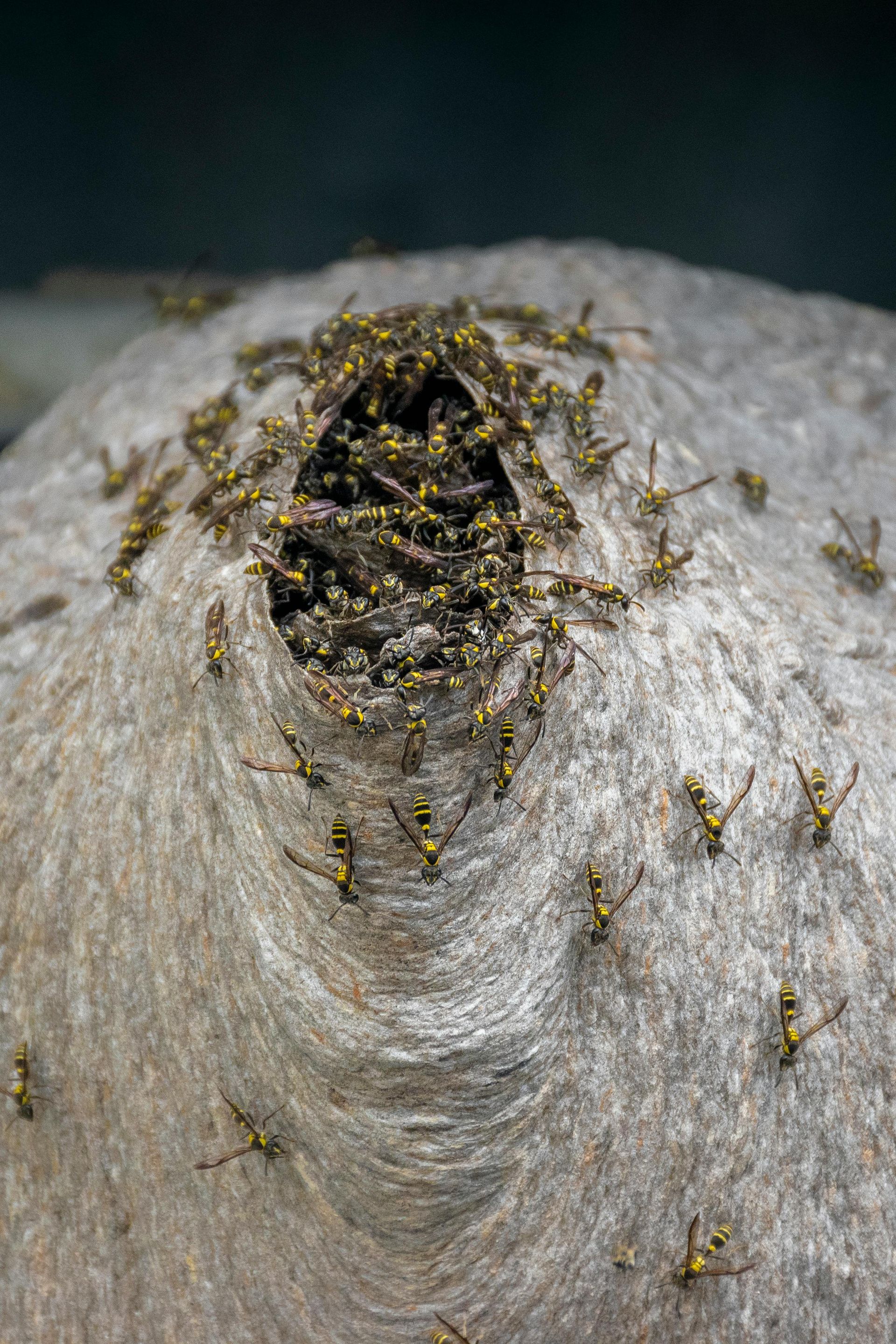
Spiders love quiet corners, often under helm dashboards or in anchor lockers. A monthly wipe with a mild detergent and quick inspection of grommeted holes keeps web builders from settling in. Bee and wasp control is especially important on boats with hollow railings and on RVs with vented water heaters. Check in spring for small paper combs under overhangs and at vent louvers. Knock them down early before they mature. Carpenter bees control may be necessary for wooden structures near your slip or storage barn, as bored holes in fascia boards often correlate with an uptick in wasp activity around a boat. Termite control is not typically a direct boat or RV issue, but where you store a coach matters. Parking long term next to a woodpile or an untreated shed raises risk. Mosquito control around docks and campgrounds helps reduce spiders that feed on them, and cleaner lighting choices, like warm LEDs instead of cool whites, draw fewer insects to your deck at night. Bed bug control on RVs is rare but not unheard of after guest stays or rentals, so launder linens on hot cycles and inspect mattress seams. If you carry pets, a small routine of ant control in the galley, especially in the Southeast where sugar trails appear overnight, keeps foragers out of your food bins. Cricket control in certain desert campgrounds helps reduce the protein buffet that, in turn, lures mice to your steps. These are side benefits of the same attentive housekeeping that makes rodent infestations less likely.
Working with pros without turning your life into a service schedule
Plenty of owners manage rodent control themselves. The time to bring in outside help is when you are chasing repeat entry in spite of sealing, when odor persists after your best cleanup, or when you cannot locate the nest but keep seeing fresh sign. A professional crew brings specialized scopes, tracking tools, and the muscle memory of dozens of similar jobs. The goal is not to put you on a monthly plan forever. The goal is to harden the asset so you need only periodic checkups.
With Domination Extermination, the most common interaction begins with a call during peak season when activity spikes at marinas and popular campgrounds. We schedule inspections at times that match rodent behavior, often early morning for fresh sign or after dusk for movement. After mitigation, we leave owners with an annotated diagram of seals and trap locations and a checklist tailored to their specific hull or coach. Owners tell us this document ends the guesswork the next time they mosquito control return from a trip and wonder where to look first.
A maintenance rhythm that keeps pests out year round
Good rodent control for RVs and boats is not a single chore, it is a rhythm.
At departure, do a two-minute scan: pantry sealed, trash out, pet food contained, counters wiped, traps checked. On board or at camp, police the deck and site every night, dock lines guarded, fish remnants gone, doors and hatches pulled tight. Back at home or in storage, vacuum, open cabinets to air, remove textiles you do not need, and plug seasonal holes. Once a month, check gaskets, set or reset a few traps preemptively in known hotspots, and walk your lines and edges with a flashlight to look for droppings or chew marks. Twice a year, make it more formal. Pull a vent, check behind a panel, replace a worn wiper seal on a slide-out, wash and condition hatch gaskets.
That cadence, combined with the specific tactics above, will do more to protect your rig or boat than any miracle repellent or one-time cleanup. Rodents are persistent, but they are not creative. Block the routes, remove the reasons to visit, and make every exploration unrewarding. The animals will move on to easier targets, and your time on the road or water will be spent on what you bought the RV or boat for in the first place.
Domination Extermination
10 Westwood Dr, Mantua Township, NJ 08051
(856) 633-0304